

What Is VPN Used for? 13 Purposes of Using a VPN Revealed
 Tony Bennett
 2021.09.30
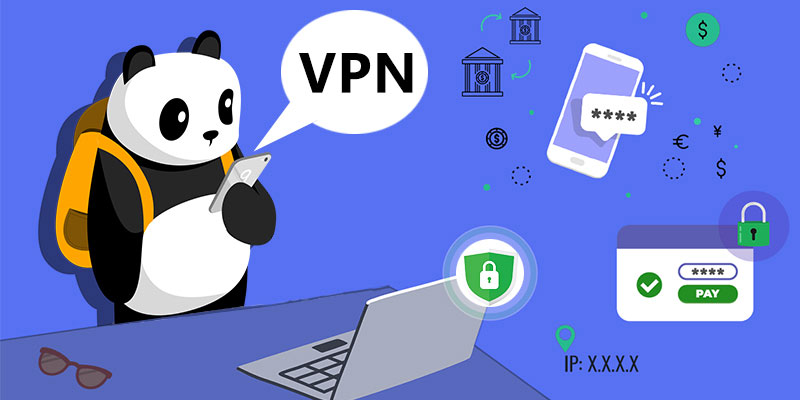
Short for Virtual Private Network, VPN is an Internet service that creates an encrypted and secure online connection. Internet users who use VPNs can have complete control of their online privacy and security.
Nowadays, increasing numbers of people are using VPNs. Don’t know what is VPN used for? Keep reading this article, where we reveal the 13 purposes of VPN.

1. Hide your IP address to remain anonymous.
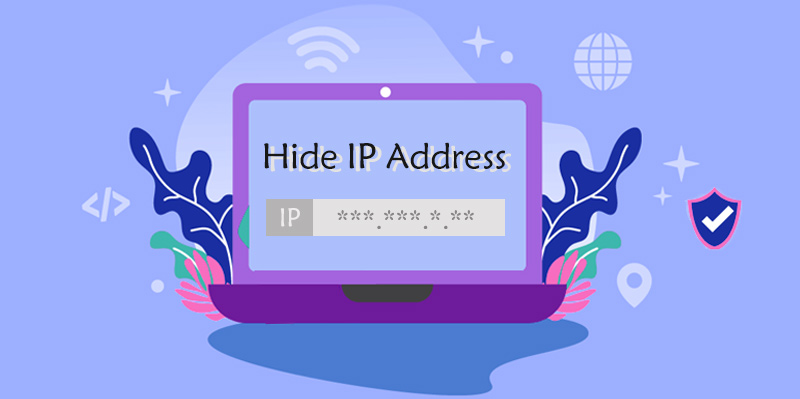
An IP address serves as a mailbox, through which people easily have access to your location. However, with a VPN, you are not traceable anymore. How does a VPN work to hide your IP address?
A VPN changes your IP address. When connecting to the network with a VPN, your original IP address will be switched to the IP address offered by the VPN service provider. This way, people will no longer know where you are. And you can successfully remain anonymous online.
2. Avoid online monitoring and tracking.
Using a VPN can prevent your ISP from tracking your location and seeing everything you do online. It is because all your online activities are routed through the VPN server, not the ISP. Beyond that, VPN also protects you from the government, websites you visit, apps and services you use, and even hackers hiding in the dark.
3. Protect your data privacy online.
With a VPN connection, all the data you send and receive is encrypted. Your ISP such as Comcast, Spectrum, Verizon, or other companies that you pay for the home network has no longer access to see when, where, and how you browse.
Most apps and services you use are recording your data, including your account information and browsing history. A VPN can limit their collection of your private data.
Government monitoring isn’t a secret nowadays. Network surveillance is widespread and almost all Internet traffic can be monitored. What government surveillance does is recognize threats, prevent and investigate criminal activities, and maintain social control.
4. Secure public Wi-Fi connection.
Free Wi-Fi at airports, coffee shops, and teahouses is convenient but comes at the expense of security. Hackers may hide in the shadows to peek at your private information. Besides hackers, many chain stores and companies are very interested in learning about your browsing habits.
Nowadays, data is valuable, while your privacy is less important. How to protect your online privacy? When you are connecting to public Wi-Fi, don’t expose your personal information. Using a VPN protects your data while you are on a Wi-Fi connection, hiding your browsing history, banking information, account passwords, and more.
5. Ensure remote work security.
For large companies, using a site-to-site VPN can create a private and encrypted network where branches in different places can connect. Hackers outside cannot access this network. This way, the company’s confidential data is safe.
Employees on a business trip can’t use the company’s private line. To ensure the security of data transmission, VPN is indispensable. Furthermore, since 2020, many companies have changed the way they work due to the COVID-19 pandemic. More and more enterprises support working from home, and VPN is the most basic security for employees to work remotely.
6. Optimize access to global social media.
International social platforms like Facebook, Twitter, Instagram, and Quora may experience connection restrictions in certain regions due to varying network infrastructures and local network policies. A VPN allows users to establish a secure, encrypted tunnel to securely access these global services and stay connected with friends and communities worldwide.
See Also: Facebook Censorship & Unblock Guide >
7. Watch YouTube/Netflix without ISP throttling.
Streaming sites like YouTube and Netflix are the top users of internet bandwidth. To cut back the usage of bandwidth, many ISPs will throttle users’ connection speed. That’s why you suffer annoying video outages, buffering, or other impediments. By using a VPN, you can get around ISP throttling and your ISP can’t know what you are doing. This way, it can no longer slow down your connection speed.
8. Enjoy streaming services in other countries.
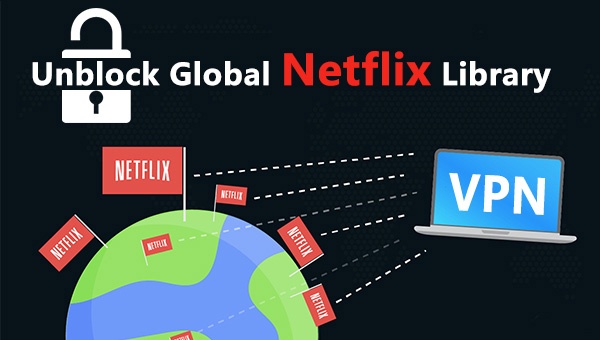
Regional and licensing restrictions often limit the availability of streaming content across different countries. By switching to international VPN servers, you can securely route your connection so it appears as though you are browsing from another region. This helps you seamlessly access platforms like Netflix, Hulu, and YouTube from anywhere, ensuring you can enjoy your favorite shows and subscriptions without regional blackouts.
9. Shop for good prices.
E-commerce platforms and digital service providers often adjust subscription costs or product pricing dynamically based on local market conditions or browser tracking. By masking your digital footprint and using a VPN to reset local tracking parameters, you can view transparent regional pricing and avoid personalized price inflation.
10. Save money on flight and hotel booking.
When planning international travel, airfares and hotel rates can fluctuate significantly depending on the user’s browsing location due to regional differential pricing models. Using a VPN allows you to view consistent, localized rates across different travel networks, helping you compare global options transparently and secure the best available deals for your trip.
11. Get a fast gaming experience.
Have you encountered these awkward situations when playing games? The unstable internet speed ruins your gaming experience. Or, the latency spikes get you killed in intense multiplayer matches. With a VPN, you’ll have a way to go.
A VPN helps stabilize Ping, reduce latency, prevent you from attacks, and greatly enhance your gaming experience. Also, by switching servers, you can connect to different IP addresses, unlock the worldwide games you want to play, and even get a sneak preview of the latest games, for example, the new PUBG New State!
12. Download torrents and share files.
Most torrent sites will warn you to always use a VPN before downloading. Even the most reputable torrent sites can be risky. It is easy for cybercriminals to steal your IP address, monitor your Internet connection, and even upload malware-infected torrents.
13. Block ads and potential viruses.
Ads are not only annoying but also risky. The risk is that you may accidentally enter a phishing site with a wrong click of the advertisement.
Criminals may spoof the address and content of a real website to create a fake site, or insert dangerous code into a real website. In this way, they can steal personal information such as your bank or credit card account passwords.
Reliable VPNs usually have built-in ad blockers and anti-virus plug-ins. When connecting to a network through a VPN, you will no longer endure endless pop-up ads. More importantly, there will be no more potential virus threats. Your Internet environment will be much safer.
Conclusion
What is VPN used for? VPN acts as a shield for your online privacy. Therefore, no one can snoop on your browser history. VPN can also unblock the geographical restrictions in different countries, and then you can enjoy global streaming services.
More importantly, VPN can be your money saver. Switching VPN servers allows you to hide your IP address. This way, you can find a cheaper price for hotel or flight booking.

A tech enthusiast who currently works for PandaVPN enjoys sharing VPN and tech industry information and is passionate about helping others solve their problems.
Related Posts



Featured Posts